Training without borders: visit of representatives of Horizon Europe Office in Ukraine, NRFU to the National Information Center for European Research (Czech Republic)
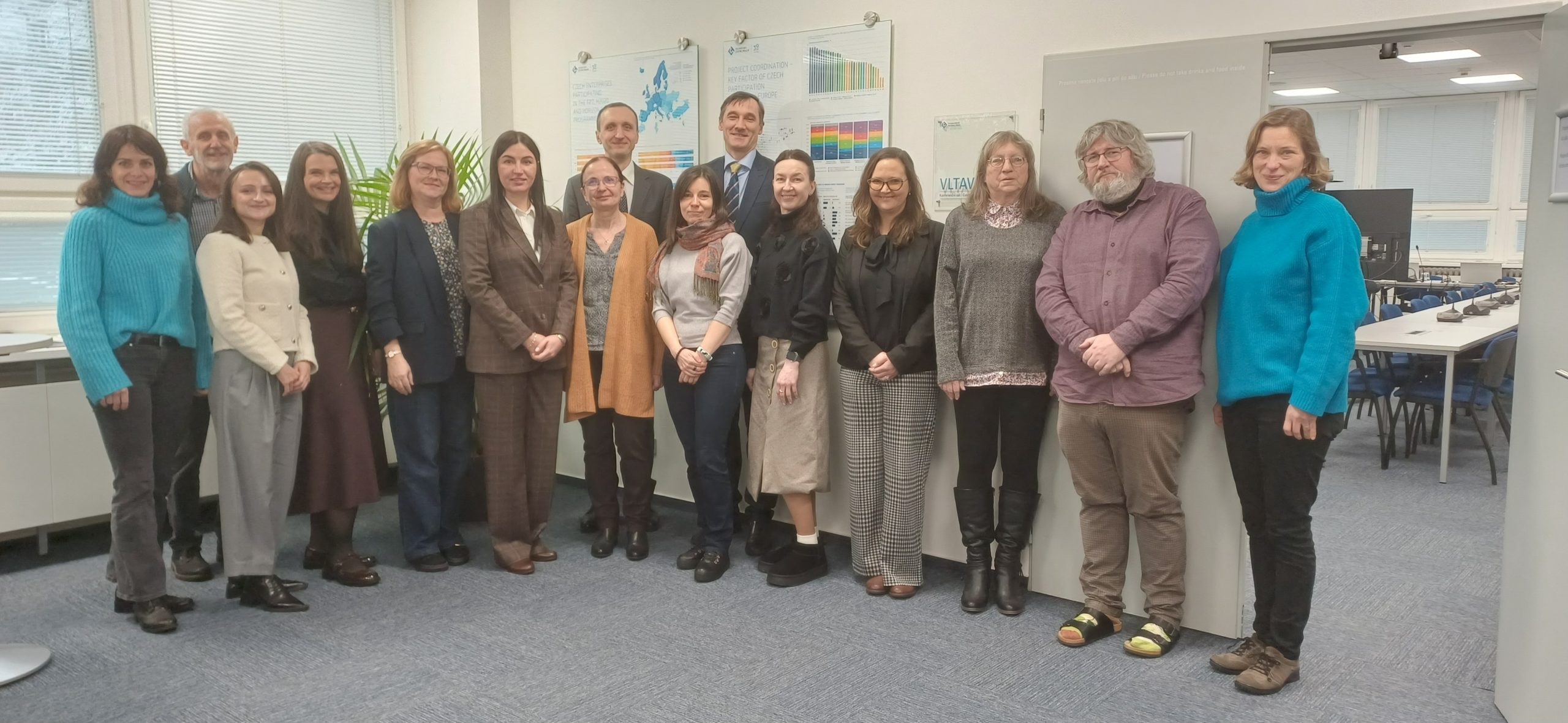
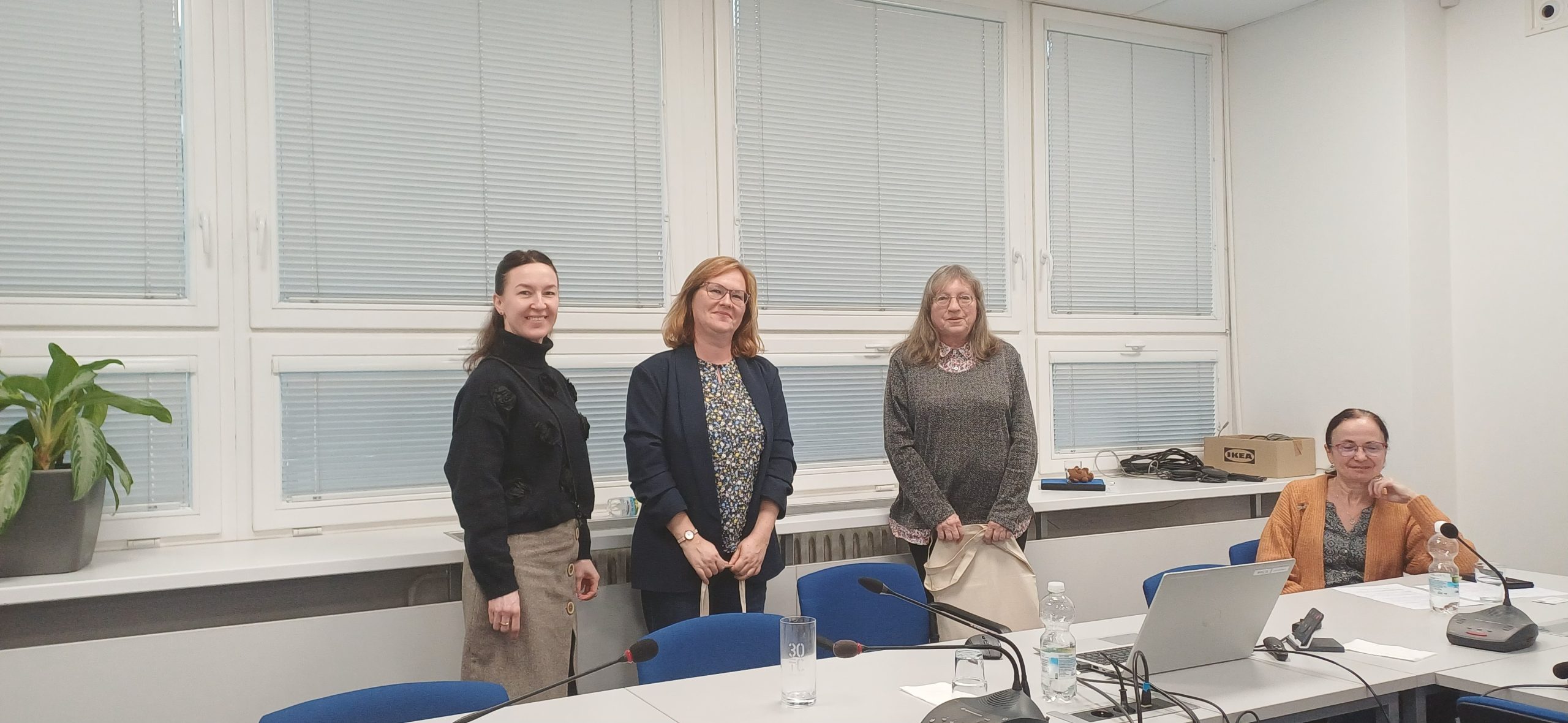
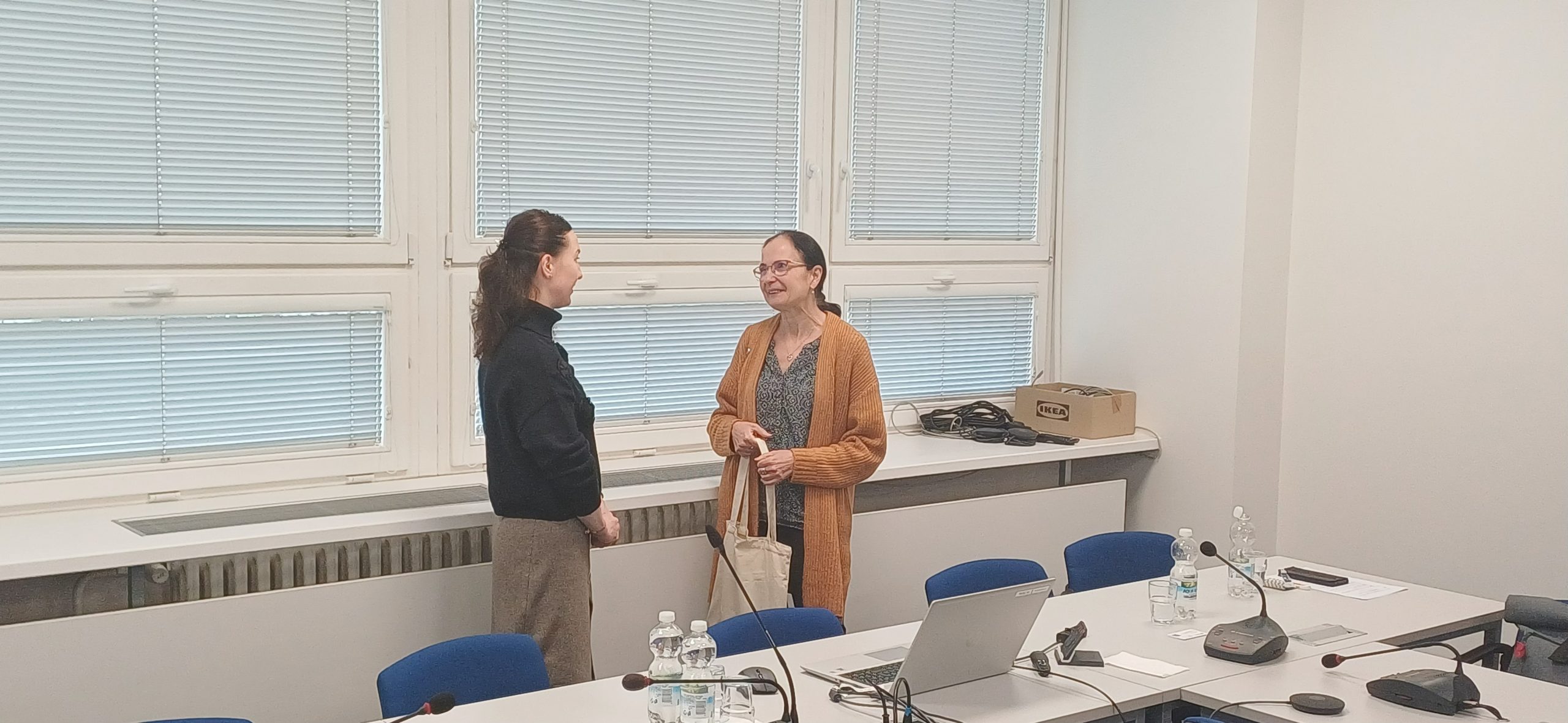
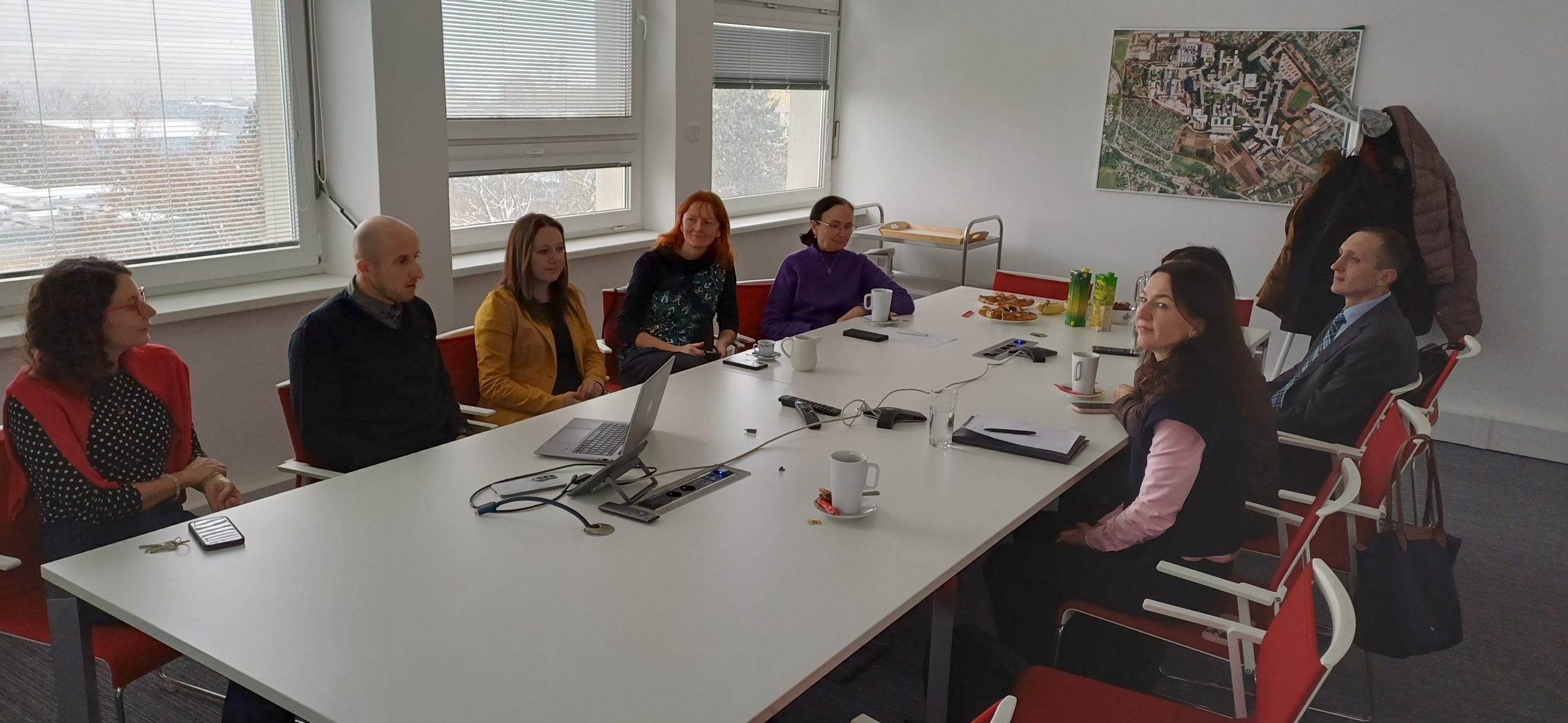
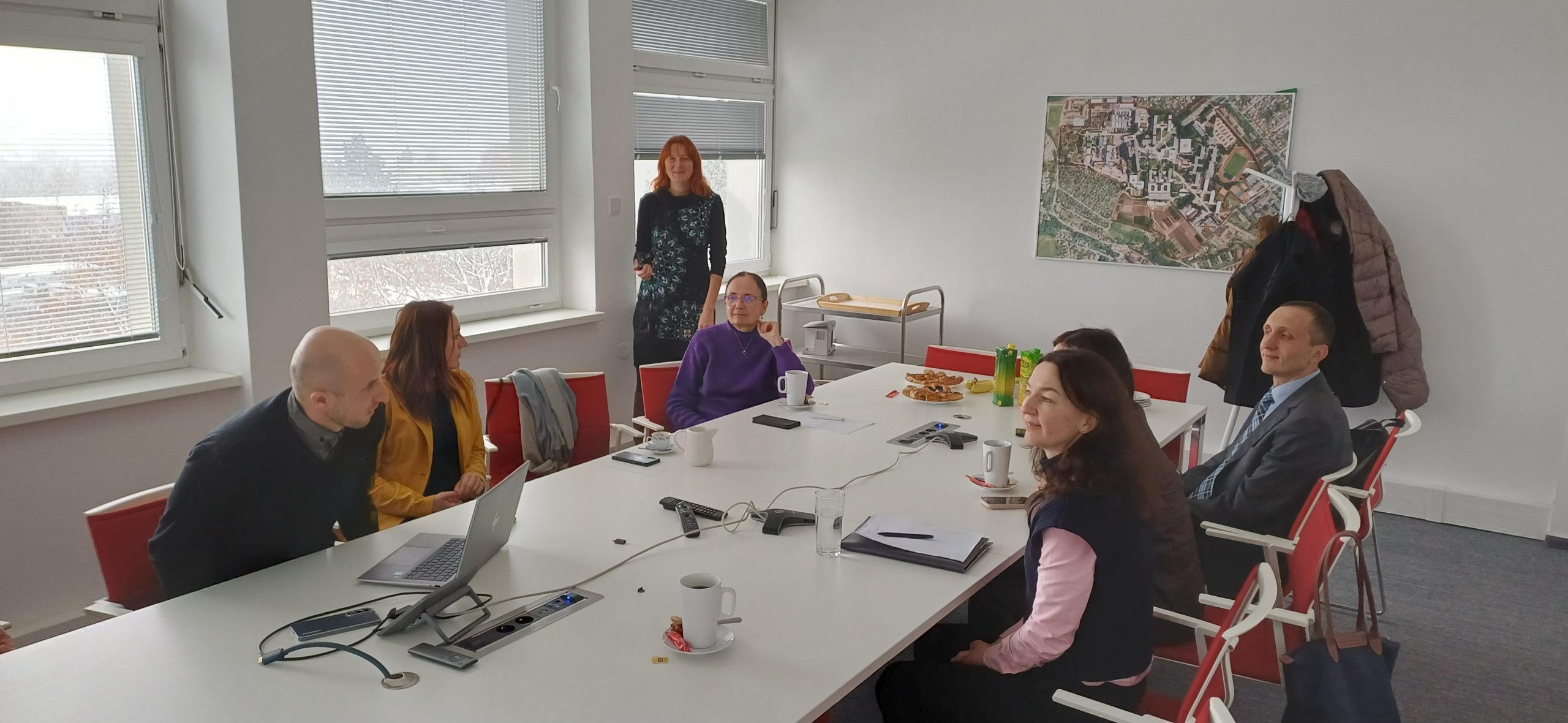
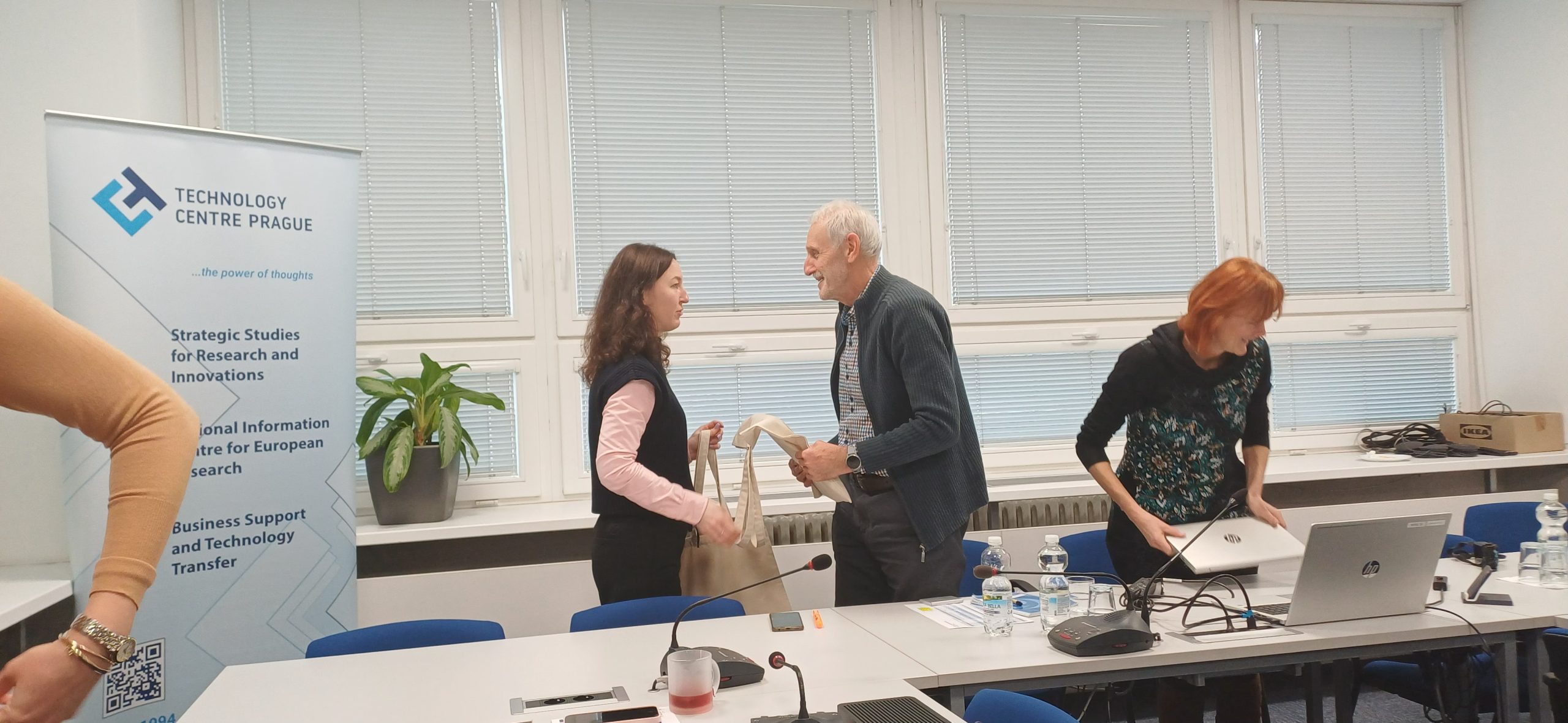
On November 24-26, representatives of Horizon Europe Office in Ukraine, NRFU paid a working visit to the Prague Technology Center (Czech Republic). The Ukrainian delegation got acquainted in detail with the activities of the National Information Center for European Research (NICER), which is a division of the Technological Center. Its main mission is to strengthen the participation of Czech researchers, innovators and organisations in the European Research Area, among others, in the Horizon Europe Framework Programme. The purpose of the visit was to study the tools of support for the participants of the Programme, exchange experience in the field of research and innovation, and establish partnership bilateral relations.
NICER head Nadia Konichkova, who is also the National Coordinator of the network of National Contact Points and NCPs under Cluster 6, spoke on the first day of visits. She presented the team of the information center and talked about the key areas of work. In particular, the Center organises information events (workshops and information days), provides consultations on early identification of grant opportunities, identification of partners and facilitation in their search, support in the preparation of projects, carries out publishing activities (information materials, booklets, quarterly journal ESNO), provides expert support to state authorities, represents the Czech Republic in Programme Committees, networks of NCPs and expert groups of the European Commission, etc.
For his part, Igor Taranov, head of Horizon Europe Office in Ukraine, NRFU, introduced the Czech partners to the activities of the Office, which is the Coordination Center of the Horizon Europe Programme, and provided statistical data on the participation of Ukrainian organisations in Horizon Europe»compared to Horizon 2020.
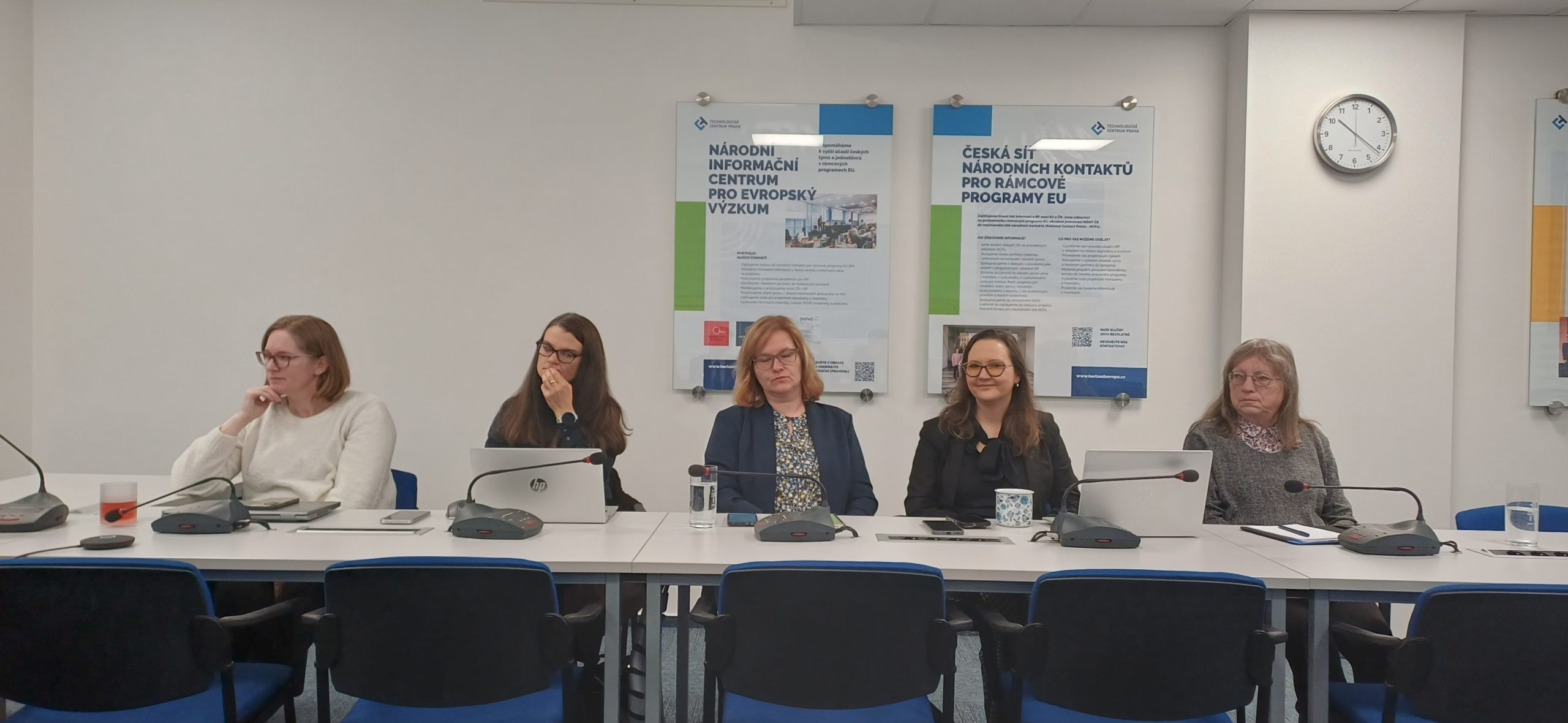
During the speeches, Czech colleagues provided comprehensive and detailed information about the priority components of the Horizon Europe Programme. Thus, Lyudmila Tysyachna presented statistics of participation in ERC and MSCA calls, challenges and features of the national grant support system to applications that received the Seal of Excellence mark. Zuzana Marshalkova, responsible for the EURAXESS network of centers, spoke about the mechanisms of supporting organisations, researchers and their family members in integration into the scientific community of the Czech Republic, job search, adaptation in the host country and other activities.
Kateryna Dostalova also presented the EIC grant support schemes and consultations provided by the Center regarding informational webinars, interview preparation trainings, preliminary application review and international networking. Anna Voshechkova informed in detail about the organisation of work with Czech applicants under WIDERA: application writing workshops, targeted meetings and consultations on requests, individual consultations and opportunities for preliminary analysis (press screening) of applications within the WIDERA.NET project
In addition, Daniel Frank’s speech on the results of participation, sustainability and opportunities for bilateral cooperation between the Czech Republic and Ukraine in the Horizon Europe Programme caused lively discussions. It should be noted that the Czech Republic belongs to the group of People&Excellence countries, the growth of which is carried out thanks to scientific excellence and work with human capital, which is recognised as an effective strategy for improving international reputation.
In addition, the best ever indicators of Ukraine’s participation in the Horizon Europe Programme were noted, despite the war, the destruction of research infrastructure and the migration of scientists. In general, both countries have significantly strengthened their participation and have significant potential for further joint projects. As a result of the meeting, the parties outlined concrete steps to implement existing opportunities for cooperation.
The second day of the visit began with a presentation of support for multilateral projects within the clusters of Pillar II “Global challenges and European industrial competitiveness” and European partnerships. Czech colleagues gave examples of the organisation of national information days, conferences and exhibitions of projects, brokerage events, podcasts, publications, events for potential and current project coordinators, etc. The parties discussed in detail the possibilities of European partnerships, the experience of the Czech Republic in decision-making within the framework of these partnerships and the potential participation of Ukrainian partners.
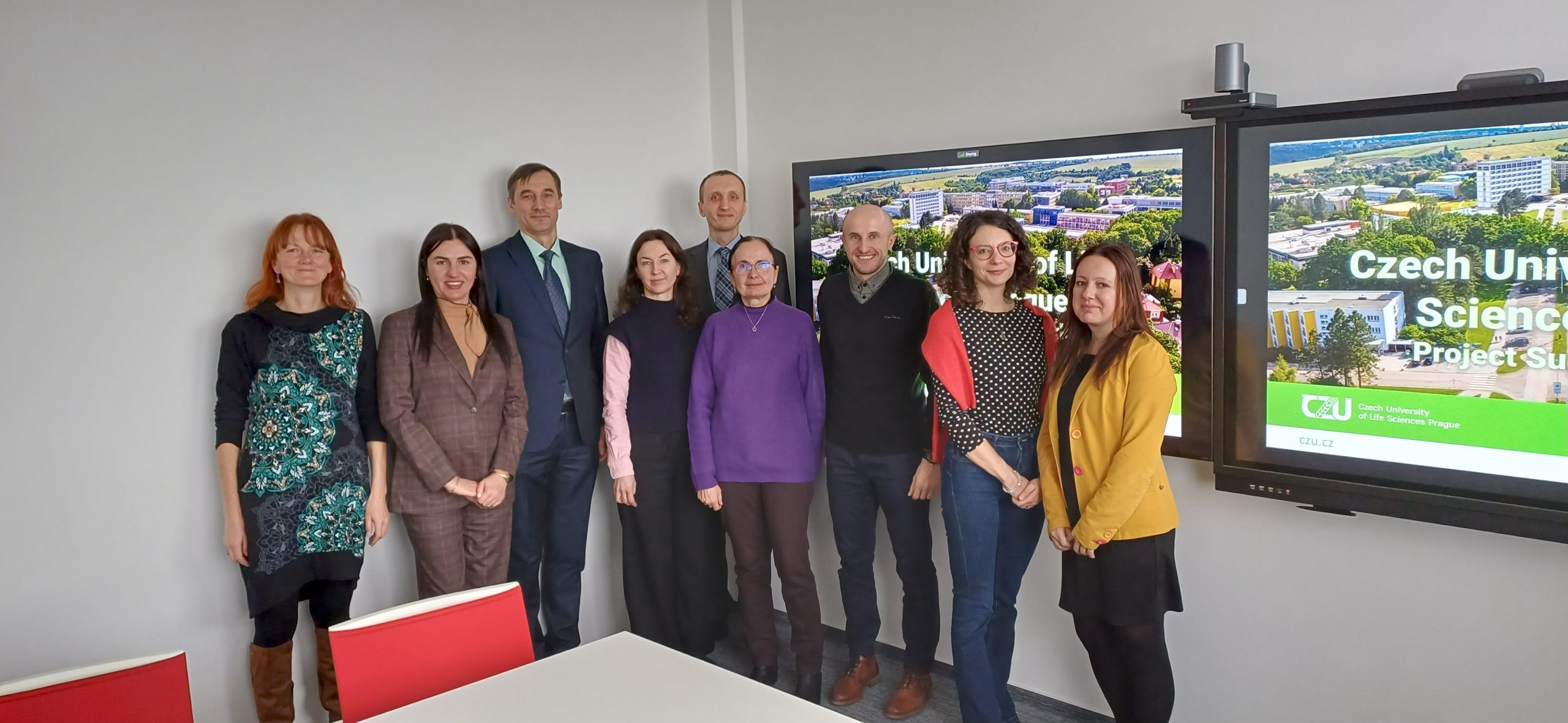
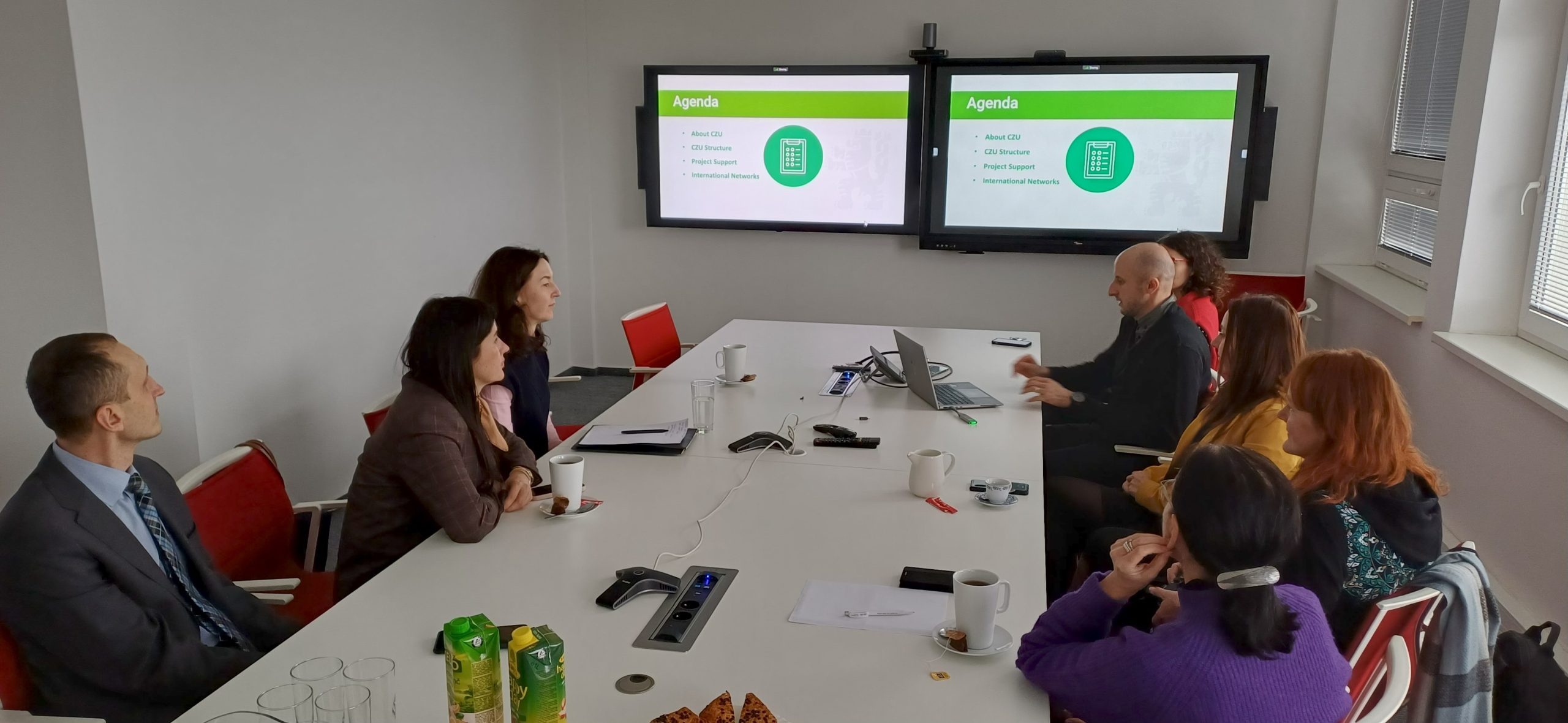
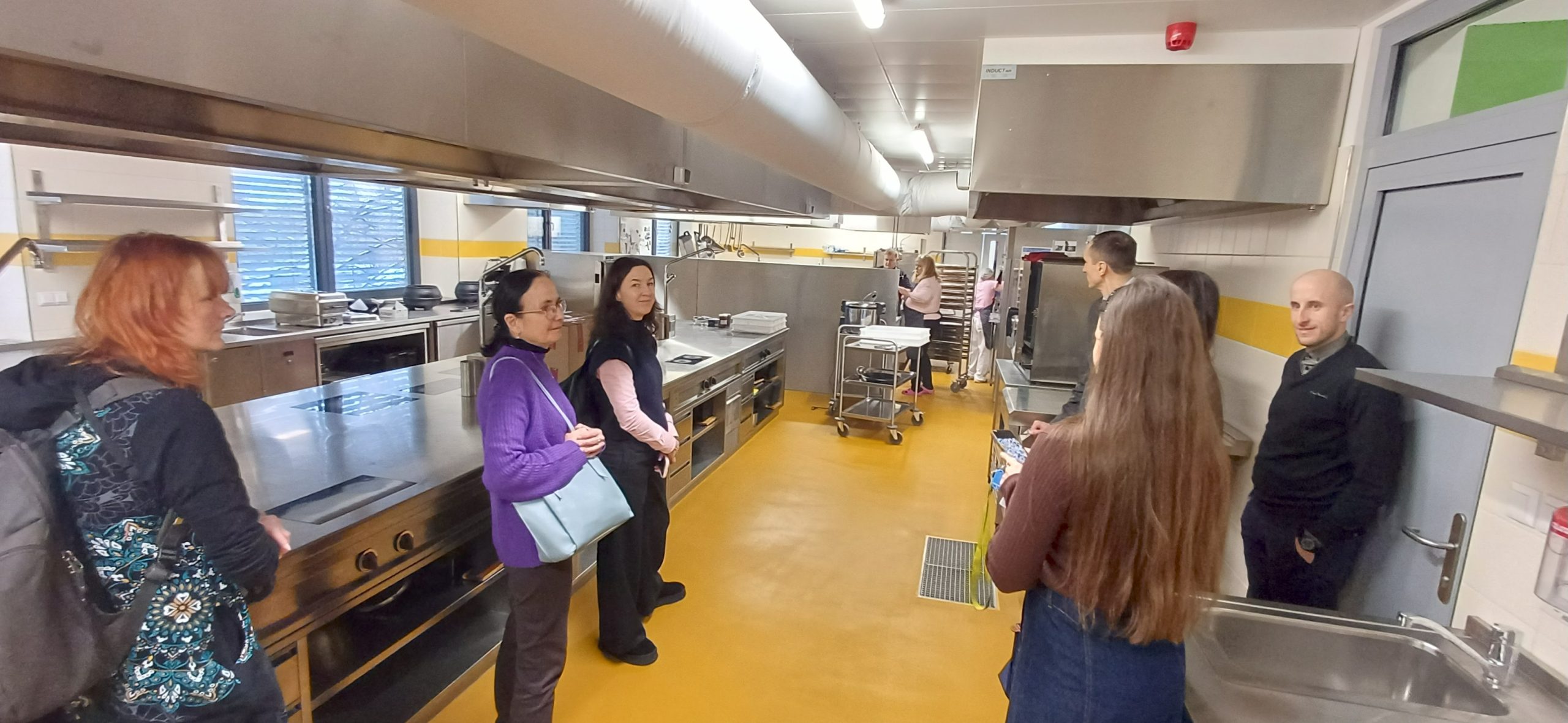
The rich visit ended with a visit to the Czech University of Life Sciences Prague (CZU). Representatives of the grant office of the university introduced their Ukrainian colleagues to their structure, project support offices, key projects within the framework of the Horizon Europe Programme, participation in international networks and organisations. The Czech partners demonstrated a research infrastructure that is the basis for both the preparation and implementation of projects, as well as for the education of students.