Experience of Taras Shevchenko National University of Kyiv in the implementation of the Horizon Europe MSCA projects
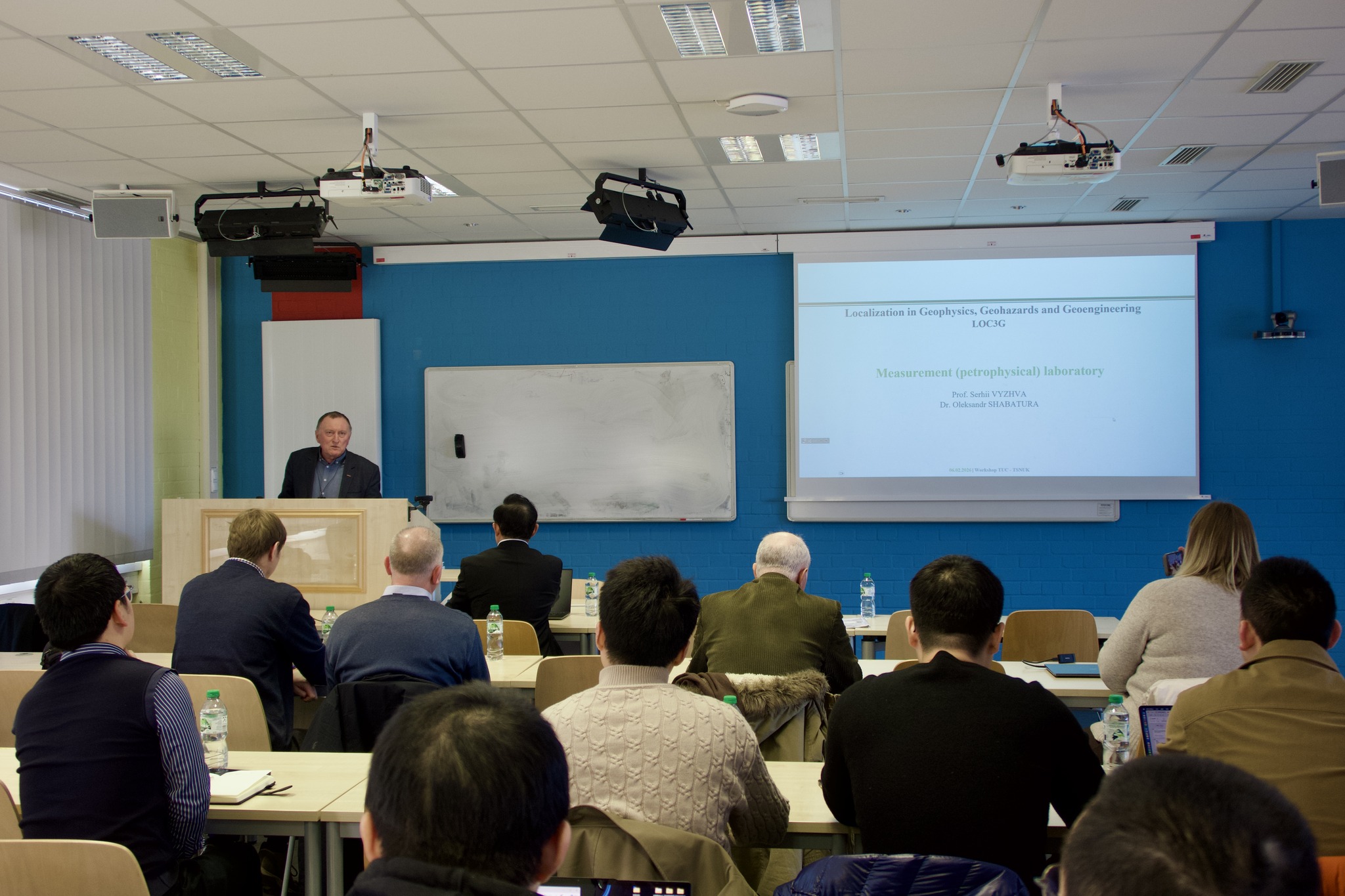
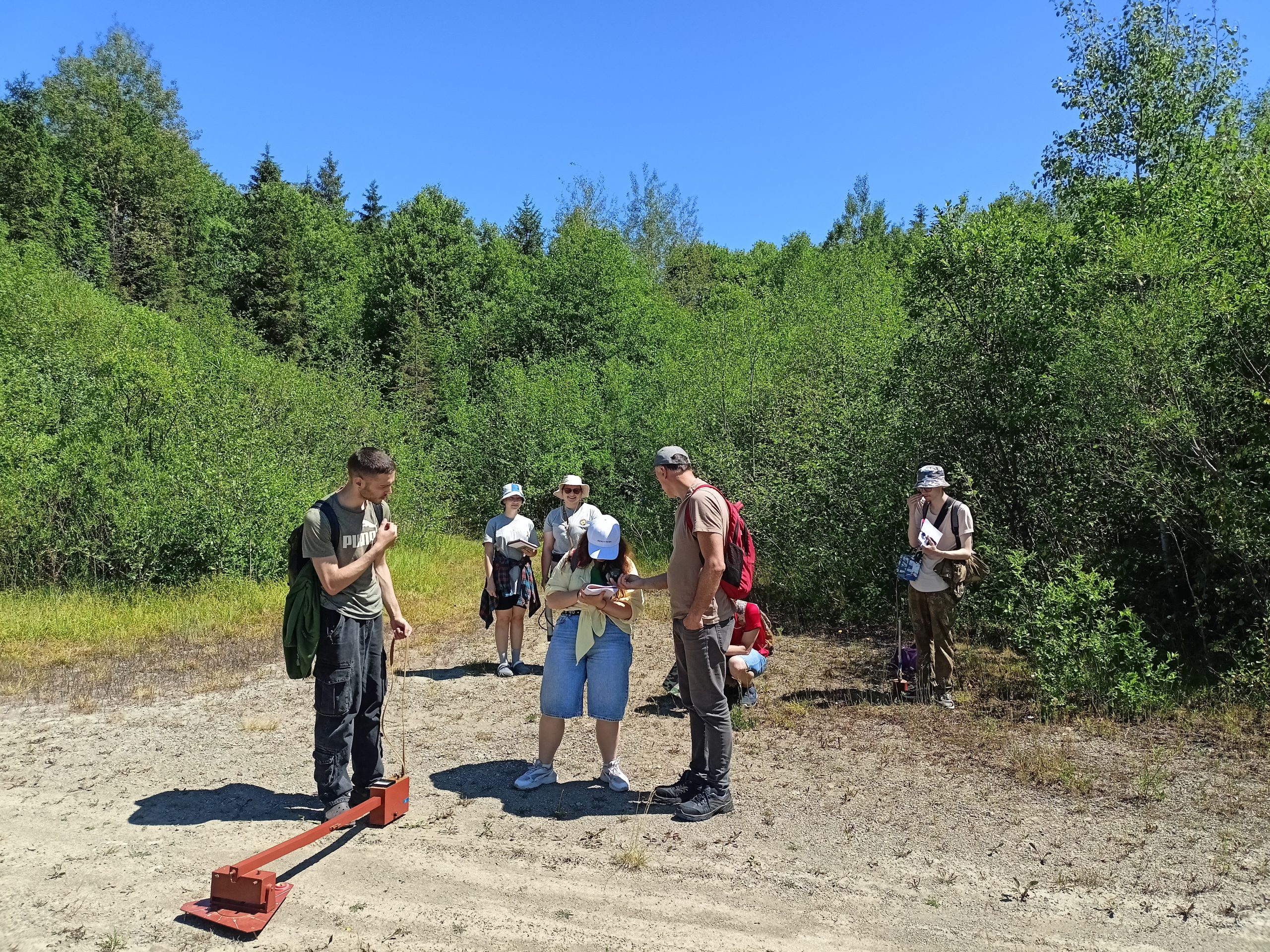
LOC3G, a Horizon Europe MSCA Staff Exchanges Project, aims to study the localisation of deformations in geomaterials in geophysics, geohazards and geoengineering. Its purpose is to advance and disseminate knowledge on the multiscale and multiphysics simulation of deformation localisation phenomena in geomaterials (soil and rocks) in order to create advanced prognostic models for communities in the fields of geophysics, geohazards and geoengineering, in particular in landslides and geological reservoirs, as well as the implementation of modern approaches to structural and geological analysis of tectonic zones of the Carpathian region and the study of gravitational processes in mountain massifs. The project will have a long-term impact on the safety and economic efficiency of interaction with geomaterials in various industries.
MONUGEO is also a Horizon Europe MSCA Staff Exchanges Project, aims to overcome geohazards such as such as rock avalanches, landslides and debris flows by developing high-fidelity simulations for accurate forecasting of geohazards, increasing the effectiveness of risk management in vulnerable regions around the world. The project brings together the complementary expertise of the consortium members to develop a better understanding of triggering initiation, run-out and deposition (and/or interaction with protective obstacles) processes, and in turn to produce the ground-breaking numerical tools for the high-fidelity predictions.
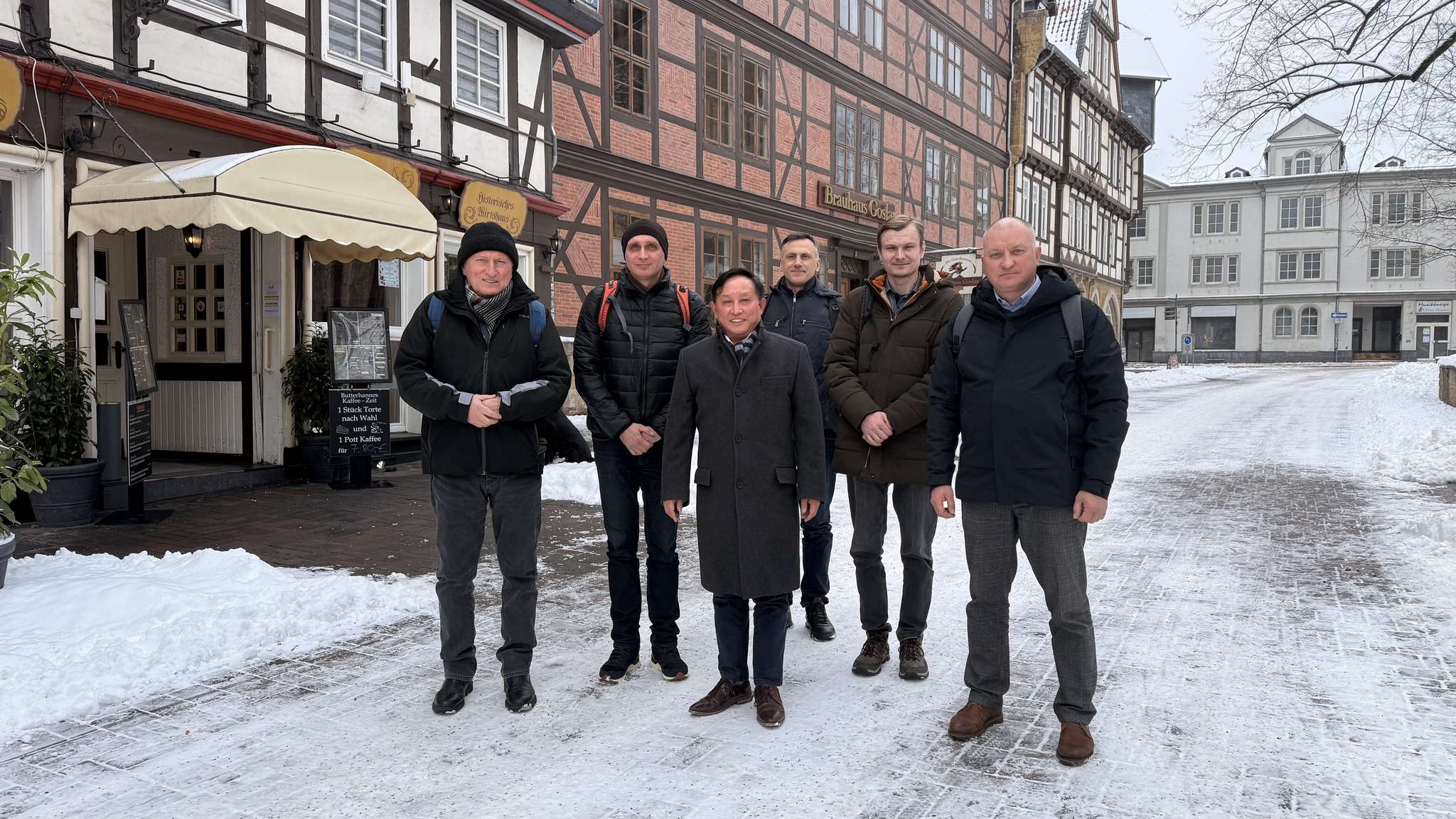
Taras Shevchenko National University of Kyiv as part of consortia implements both projects. The scientific leader of both projects from the university is Olena Ivanik, professor of the Department of General and Historical Geology, who is currently conducting scientific research at the University of Cincinnati (USA). We talked about projects’ implementation with representatives of the institution, team of scientists: Serhiy Vyzhva, Doctor of geological sciences, Professor, Director of the Institute of geology, Oleksandr Menshov, Doctor of geological sciences, Deputy Director for scientific and pedagogical work (international cooperation) and Dmytro Kravchenko, PhD in geological sciences, Associate Professor, Head of the Department of general and historical geology.
As scientists and employees of a higher education institution, they knew about the EU framework programmes for research and innovation for a long time, but they started their journey only in Horizon 2020. In general, the team of KNU scientists within the framework of Horizon 2020 and Horizon Europe submitted several project applications, both successful and unsuccessful. Therefore, undoubtedly, an important role in winning calls and obtaining a positive result became possible because of the previous experience of writing grant applications, when the winnings were preceded by applications that scored sufficiently high points, but did not receive funding.
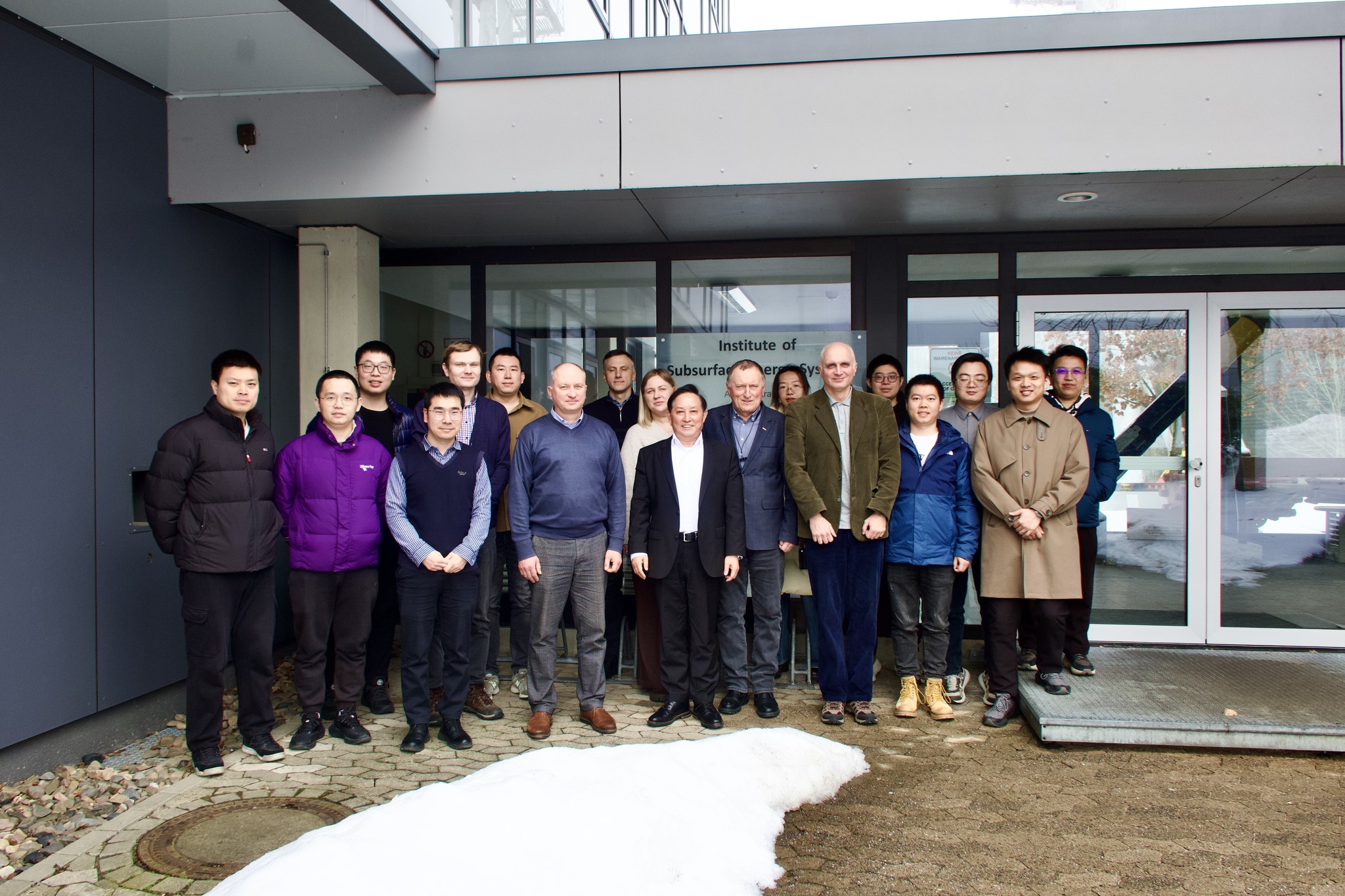
However, the determining factor of successfully submitted proposals, according to KNU representatives, is the presence of significant improvements due to the implementation of domestic projects and scientific topics, the selection of strong, competent and, most importantly, experienced partners with whom personal contacts were previously established during international conferences, symposia, seminars. Those are organisations and institutions that have already had experience of winning in relevant projects. Most of them are partners in consortia today. In particular, this is how KNU team met their coordinator of current projects, Professor Wei Wu from the University of Natural Resources and Life Sciences (BOKU University), Vienna, Austria. So, cooperation with them and a joint wish to participate in the framework programmes eventually led the team to success.
Having gained experience and having reliable partners, the team of KNU scientists doesn’t stop and intends to continue grant activities, in particular in Horizon Europe. Several projects under EU missions “Soil Deal for Europe” and “Climate Neutral and Smart Cities” are now being prepared.
As for any difficulties while writing the grant application, submitting it, and after receiving a positive result from the EC, representatives of the KNU team assured that they did not face them. For example, within the Staff Exchange funding the number of months of business trip is set; then within the framework of the project’s budget, the system automatically calculates daily costs. And the key point is that Ukrainian participants use grant funding in accordance with Ukrainian legislation.
Separately, they discussed business trips due to the full-scale war in Ukraine and restrictions on the departure of male scientists abroad. KNU representatives noted that in order to travel abroad, men need to have a package of documents and go through a certain long-term procedure for obtaining permission. Also, domestic scientists liable for military service have a time limit of up to one month to stay abroad. Other complications didn’t occur.
In addition, scientists named the waiting period for the result from the EC after submitting a grant application or receiving a refusal to fund as the most difficult psychological moment.
But despite any potential difficulties, KNU representatives advise future applicants or those who are still hesitating to, first and foremost, to take part and not be afraid of failing. After all, there are now a lot of opportunities for Ukraine to establish and develop international cooperation, partly in the context of the war and the country’s post-war recovery. Therefore, it is essential to make use of all available opportunities available to Ukrainian participants. Second, to use the experience of colleagues and partners, project managers and the project officer. It is also essential to have a strong foundation – this includes scientific publications, conducted research, participation in thematic conferences, previous cooperation with international partners, and so on. Finally, to be personally involved in shaping the project proposal: develop the idea, outline the work packages, work out a strategy for their implementation, and draft the application, because success can only be achieved through one’s own experience and knowledge. None of the theoretical training or courses will bring the expected results unless you try it yourself.
Summing up, the KNU team of scientists emphasises that the LOC3G and MONUGEO projects are extremely important for Ukraine. These are not just scientific projects, but tools that contribute to:
- improving the security of territories today and recovery after the war, in particular, is the management of natural risks using models for their assessment and more accurate forecasting of natural risks and infrastructure destruction
- access to advanced international technologies and development of domestic innovative digital technologies in geology and geoengineering
- strengthening the scientific potential of Ukraine through participation in international research – exchange of knowledge and technologies in terms of Ukraine’s integration into the European Research Area.
References:
Localization in Geophysics, Geohazards and Geoengineering
Duration of the project: 1 March 2024 – 29 February 2028
Funded under: Marie Skłodowska-Curie Actions (MSCA)
Coordinated by: UNIVERSITAET FUER BODENKULTUR WIEN (Austria)
Modern numerical methods for high-fidelity simulation of geohazards
Duration of the project: 1 March 2025 – 28 February 2029
Funded under: Marie Skłodowska-Curie Actions (MSCA)
Coordinated by: UNIVERSITAET FUER BODENKULTUR WIEN (Austria)