Smarter, safer and more transparent supply chains: the Institute for Artificial Intelligence Problems’ experience in implementing the PACK project
The EU-funded PACK Project: Persistent Awareness system facilitating Customs ChecKs integrates advanced detection, tracking and risk-based selective control, combining IoT solutions with edge-based AI, significantly reduces the number of trucks that need to be stopped for inspections, enabling fully automated customs checks. Lengthy customs checks on trucks create bottlenecks at Europe’s borders, slowing down supply chains, increasing costs and wasting fuel. The system also improves energy efficiency by optimising equipment to operate autonomously with minimal environmental impact. The PACK’s goal is to reduce wait times, saving the transport sector hundreds of millions of Euro, millions of hours, and vast amounts of fuel annually. Participation of EU customs authorities in the project ensures compliance with future EU customs regulations and fast roll-out.
The Institute of Artificial Intelligence Problems at the State University of Information and Communication Technologies as part of a consortium of eight organisations coordinated by General Mechatronics Ltd. (Hungary), is implementing this project. The research institute conducts fundamental theoretical and applied research in the area of AI. Its main fields of research include the implementation of modern computer technologies, the development of intelligent information and educational systems, as well as testing to determine general intellectual ability and quantify intelligence. The Institute is also actively developing a new generation of computers with advanced intelligent interfaces and specialised intelligent-mechanical robots.
Anatoly Shevchenko, Doctor of Engineering, Doctor of Theology, Professor, founder and director of the Institute for Artificial Intelligence Problems at the State University of Information and Communication Technologies, spoke about the successful implementation of the project, the research institution’s journey towards the EU Horizon Europe Framework Programme, challenges, achievements, and plans for the future.
The Institute’s path to the Horizon Europe Programme began with an official message from the Ministry of Education and Science of Ukraine regarding its opportunities. This was the starting point. Having reviewed the list of available calls for proposals, the team of scientists of the Institute found a topic that fully aligned with the institution’s scientific expertise and interests. This motivated them to submit an application.
Given the Institute’s research areas, the team focused on the areas of Artificial Intelligence, information technology and automation. Accordingly, the application was submitted to Cluster 3 call: Detection and tracking of illegal and trafficked goods HORIZON-CL3-2024-BM-01-05. But despite the fact that this was the first experience of the Institute in framework or other programmes funded by the European Union, the application received a positive assessment.
The institute joined as a member of the already formed project consortium taking into account the institution’s considerable experience in the development of simulators and the presence of leading specialists in the area of Artificial Intelligence and information technologies. They are Anatoly Shevchenko and Vadym Slyusar, Doctor of Engineering, Professor, Senior Researcher, Head of the group of leading researchers of the Central Research Institute of Armaments and Military Equipment of the Armed Forces of Ukraine, who have significant experience in both theoretical research and practical developments.
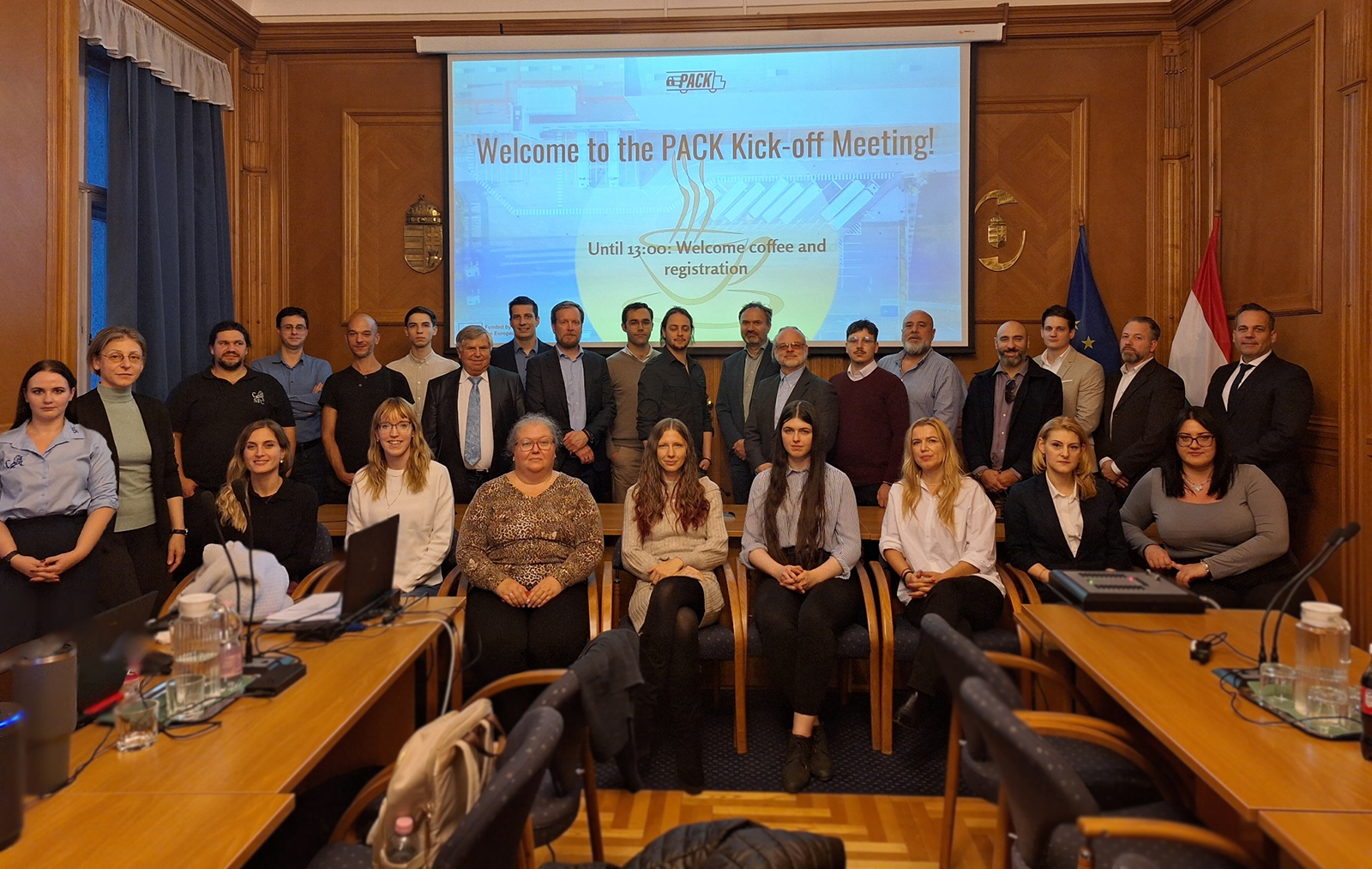
The project proposal was formed independently, based on the experience of the consortium participants and the expertise of the Ukrainian team. The partners established communication quickly. This was greatly facilitated by on-site and online meetings, which gave specific positive results. Project participants regularly held internal seminars, during which they discussed and resolved all current issues. And made it possible to avoid blockages in work and to agree their action plan effectively.
The head of the organisation also noted that the consortium members did not have significant difficulties in the process of finding calls, registering and submitting an application. In particular, during the conclusion of the Grant Agreement, the Institute project team maintained close communication with colleagues in the consortium and with joint efforts they promptly resolved all current issues. For example, due to security requirements and because Ukraine is currently not a member of the EU, there were certain restrictions on access to individual information. However, this did not prevent tasks from being completed.
In addition, during the writing of the proposal, the scientists of the Institute turned for advice to Oleksandr Chemerys, Doctor of Technical Sciences, Professor, Deputy Director for Scientific Work of the Pukhov Institute of Modeling Problems in Energy, National Academy of Sciences of Ukraine. He is the Horizon Europe National Contact Point in the relevant area of activity “Civil security for society”. NCP representative clearly explained all the aspects and provided professional assistance at every stage of project proposal preparation.
Anatoly Shevchenko believes that the PACK project Institute team has achieved its goal: as part of the consortium, it successfully passed the competitive selection and became a full-fledged participant of the Horizon Europe project. However, scientists will not stop there and plan to continue participating in the Programme.
The PACK project contributes to the significant improvement of customs control of freight transportation in the European Union, which will greatly contribute to the improvement of the quality of life. The system provides automated customs checks, reducing the number of trucks that must be stopped for inspection. According to preliminary estimates, the implementation of PACK even with 10% market penetration will save the EU logistics industry approximately EUR 241 million and 2.35 million hours annually. At the same time, it will save about 70.5 million litres of fuel per year and reduce CO2 emissions by about 190,000 metric tons.
During joint empirical studies to better understand customs operations at the EU’s external borders and to identify user needs, the training focused on two key locations: the Hungarian-Ukrainian and the Romanian-Ukrainian land border crossing points. Those points provided valuable information on how harmonised customs procedures are implemented in different operational environments. Therefore, the results of the project will also be important in improving the life standards in Ukraine as well.
Potential applicants who are thinking about participating or in the process of writing a grant application, Anatoly Shevchenko recommends, first of all, based on the experience of the Institute, to form a professional scientific team with clear competencies, to study the materials of calls carefully, as well as to have good communication with the Horizon Europe National Contact Points in the relevant areas of activity, as they are reliable advisors on the way to successful participation in the Programme.
References:
Persistent Awareness system facilitating Customs ChecKs
Duration of the project: 1 October 2025 – 30 September 2028
Funded under: Civil Security for Society
Coordinated by: General Mechatronics Ltd. (Hungary)
📎Photos taken from the website of the PACK Project.